Company Facts Procurement Checks
- Founded focus
- Crop protection & spraying equipment for global farm buyers
- Primary product line
- Boom, knapsack, orchard airblast, battery backpack
- Company size
- Medium manufacturer with regional dealer staging
- Target market
- Global agribusiness procurement and farm owners
- Spec desk SLA
- Reviewable shortlist within one business day
- Field trial archive
- 42 boom drift protocols logged since 2019
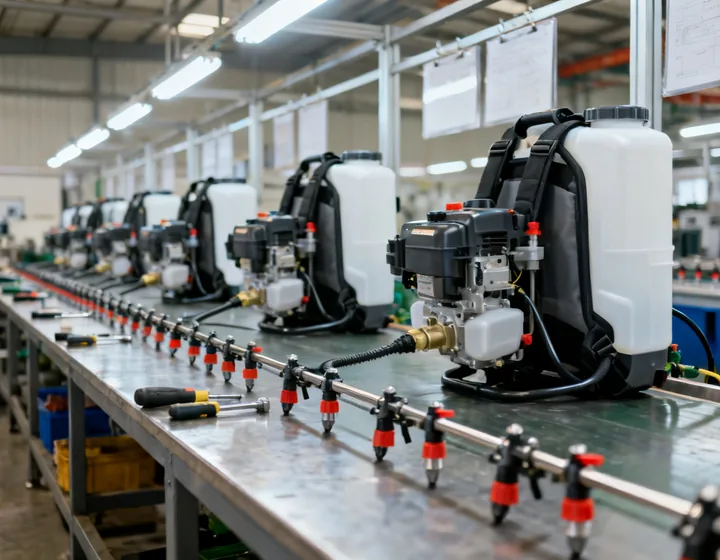
Jacto does not sell vague “smart farming platforms.” Engineers document tank capacity in liters, boom working width in meters, pump flow in L/min, and spray drift control practices that farm managers can verify with flow cups. That discipline is why persona copy stays authority-expert: every claim ties to a measurable acceptance criterion.
When buyers compare drone spraying versus boom sprayers, Jacto tables list throughput, terrain fit, and drift risk side by side. When greenhouse teams ask about knapsack duty inside Venlo structures, we publish battery hours and lance pressure ranges instead of lifestyle photography.